Partner visa · Onshore · Australia
Subclass 820
Before you commit time and money to an application, it's worth confirming Subclass 820 is actually the visa that fits your situation, not just the one everyone's heard of. Our migration lawyers help you work that out, then take you through the application itself.
Not even sure this is the right visa for you? That's the first thing we confirm.

§ 01Compare
Subclass 820 Compared to the Other Partner Visas
People often use "partner visa" loosely, but it covers several different subclasses depending on where you are and your relationship stage. Here's how they line up:

| Visa | Where you apply from | What it is | Visa Application Charge (from 1 July 2026) |
|---|---|---|---|
| Subclass 820 | Onshore (in Australia) | Temporary partner visa | AUD $11,710 |
| Subclass 801 | N/A — assessed after the 820 | Permanent partner visa | No separate charge — the 820 charge covers assessment for both stages |
| Subclass 309 | Offshore (outside Australia) | Temporary partner visa | AUD $11,710 |
| Subclass 100 | N/A — assessed after the 309 | Permanent partner visa | No separate charge — the 309 charge covers assessment for both stages |
| Subclass 300 | Offshore (outside Australia) | Prospective marriage (fiancé) visa, for couples not yet married | AUD $11,710 |
§ 02Which visa
Which One Fits Your Situation?

You're in Australia and already married or in a de facto relationship → Subclass 820 is generally your pathway.
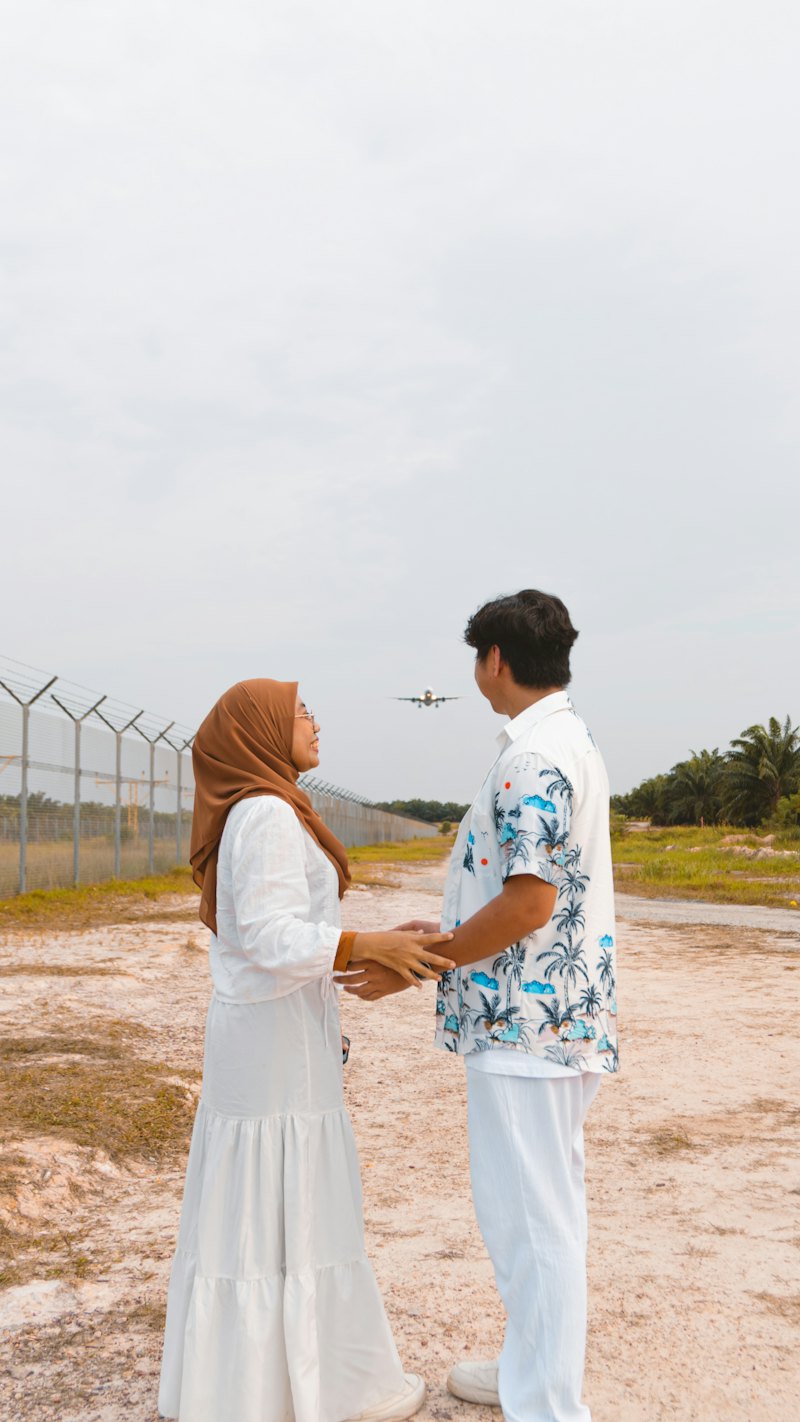
You're outside Australia and already married or in a de facto relationship → Subclass 309, not 820.

You're engaged but not yet married, and you're outside Australia → Subclass 300, not a partner visa at all until after the wedding.

You're in Australia but not yet married or eligible as de facto → Subclass 820 isn't available to you yet; this needs a proper look before you apply for anything.
Where are you when you apply?
In Australia
Outside Australia
Read conflicting things about which visa you need? We'll give you a straight answer.
Check Which Visa Applies to Me§ 03Eligibility
Subclass 820 Eligibility, in Brief
Assuming Subclass 820 is the right fit, you'll generally need to:
- Be in Australia at the time you apply
- Be the spouse or de facto partner of an Australian citizen, an Australian permanent resident, or an eligible New Zealand citizen (your sponsor)
- Be in a genuine and continuing relationship
- Meet health and character requirements
- Have a sponsor who is eligible to sponsor you, including under limits on how many times someone can sponsor a partner

§ 04Not a fit
When Subclass 820 Isn't the Right Fit
We'd rather tell you this upfront than after you've paid a visa application charge. Subclass 820 generally isn't available, or isn't your best option, if:
- You're applying from outside Australia (you likely need Subclass 309 instead)
- You're engaged but not yet married and applying from offshore (Subclass 300 may fit instead)
- Your de facto relationship is under 12 months and no exception applies
- Your sponsor has already reached their sponsorship limit, or is within a waiting period from a previous sponsorship
- You've previously had a visa application refused or cancelled on grounds that could affect this application
None of these rule you out permanently, but they change what needs to happen before you apply, and that's worth working through properly rather than guessing.
§ 05The permanent stage
From Subclass 820 to Subclass 801
If you're granted the 820, you're generally assessed for the permanent Subclass 801 around two years later, using updated evidence that the relationship is still genuine and ongoing. It isn't a second application from scratch, and in some circumstances (dependent children of the relationship, or family violence) the Department can assess it earlier than the standard two-year mark.
Updated evidence · not a second application from scratch
- Dependent children of the relationship
- Family violence



§ 06Processing times
How Long Subclass 820 Takes
As of September 2026, published processing times for the 820 stage vary considerably, with recent estimates commonly landing somewhere between 12 and 24 months. Sources disagree on the exact percentile figures as of this date, so treat any specific number you read (including this one) as indicative rather than guaranteed, and check the Department's current processing times page before relying on it.
§ 07How we help
How We Help
Our migration lawyers start by confirming you're pursuing the right visa for your actual circumstances, then work through eligibility, evidence, and the application itself with you. If you've already applied under the wrong subclass, or you're not sure whether your situation fits the standard case, that's exactly the conversation to have before going further.
- 1Confirm the right visa
- 2Eligibility
- 3Evidence
- 4The application itself
Already started down the wrong path? That's exactly the conversation to have.
Talk Through My Situation
§ 08FAQ
Subclass 820 Questions We Get Asked Most

How is Subclass 820 different from Subclass 309?
820 is for people already in Australia when they apply; 309 is the equivalent visa for people applying from outside Australia. You can't choose between them freely; it depends on your location when you lodge.
I'm engaged, not married — do I need Subclass 300 or 820?
If you're in Australia and eligible as a de facto couple, 820 may still apply. If you're not yet married or in a qualifying de facto relationship and you're offshore, Subclass 300 is designed for that situation instead.
Can I switch from Subclass 300 to Subclass 820 after I marry?
Generally, once married, you may become eligible for a partner visa application, though the specific pathway depends on your location and current visa status at the time.
What if I already applied under the wrong subclass?
This happens more often than people expect. It doesn't necessarily mean starting over, but it does need a proper assessment of what's actually been lodged and what your options are from here.
Do I need a migration lawyer to work out which visa applies to me?
No, it isn't a legal requirement, but this is exactly the kind of decision where getting it wrong is expensive and hard to reverse, which is why most people get advice before choosing.
§ 09Contact
Get in Touch About Subclass 820
Tell us your situation, including where you are and your relationship status, and we'll tell you plainly which visa actually applies and what happens next.
Want clarity before you spend money on the wrong application? Start here.